AI Beauty
AI Skin Analysis vs. Dermatologists: What It's Actually Good For (And What It Isn't)
Sadiq · 31 August 2026
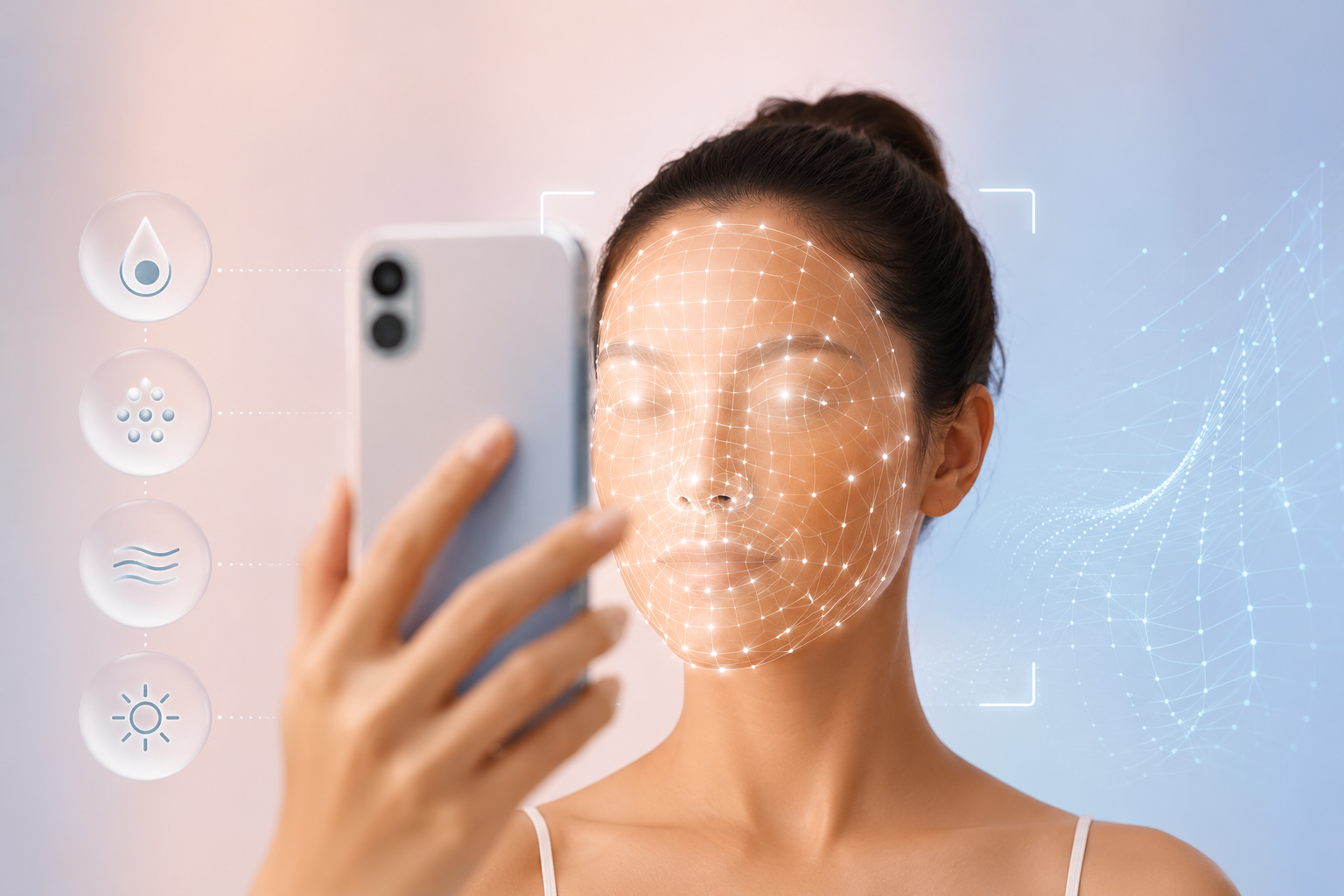
A dermatologist appointment can take weeks to book. AI skin analysis takes seconds. Here's what Sipaara's AI actually detects, how it stays accurate, and where it fits next to — not instead of — seeing a professional.
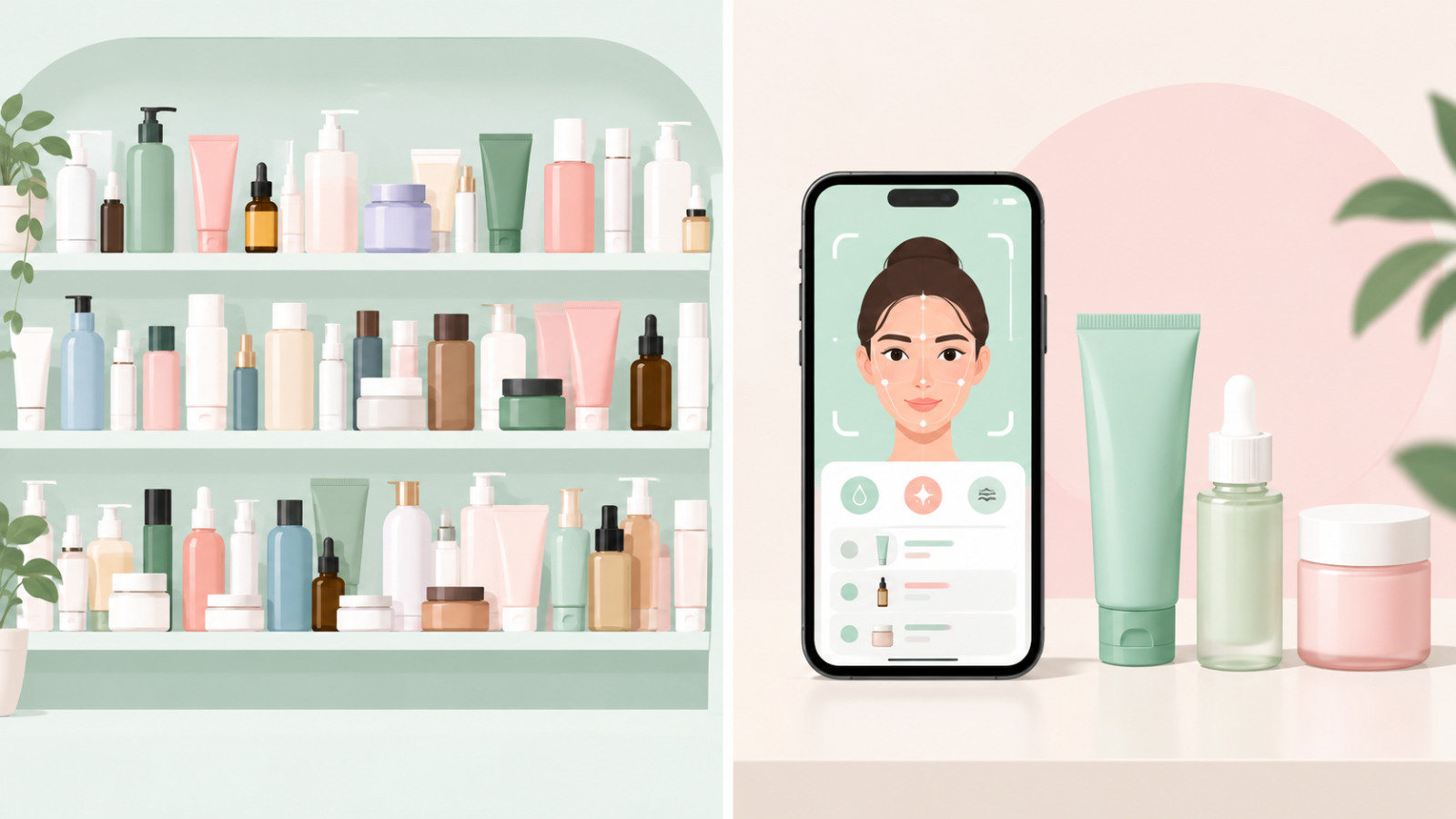
Booking a dermatologist appointment usually means a wait — days at best, weeks in most Indian cities. Then a consultation fee, a short window with the doctor, and a recommendation you have to go remember and shop for afterward. AI skin analysis compresses most of that into a selfie and a few seconds.
That doesn't make it a replacement for a dermatologist. It makes it a different tool, good at a different job. Here's an honest look at where AI skin analysis wins, where a dermatologist still matters, and how Sipaara's AI actually works under the hood.
What AI skin analysis is genuinely better at
Speed and access. There's no appointment, no waiting room, and no consultation fee. You get a read on your skin in the time it takes to take a photo — useful when you just want to know what's going on before deciding whether a professional visit is even necessary.
Consistency. A computer vision model scores the same input the same way every time. It doesn't have an off day, doesn't rush a busy clinic visit, and isn't influenced by how the room is lit or how confident you sound describing your skin.
Tracking change over time. Because a scan takes seconds and costs nothing, you can actually repeat it — weekly or monthly — and see whether a new serum or routine change is doing anything. Most people never get this kind of before-and-after data from in-person visits, simply because repeat appointments aren't practical.
Product matching. A dermatologist prescribes treatment for a condition. An AI skin tool can go a step further for everyday skincare — matching the specific concerns it detects to specific product categories and ingredients, right where you're already shopping.
Where a dermatologist still matters
This is the part worth being upfront about: AI skin analysis is a screening tool, not a diagnostic one. It's built to flag common, visible concerns — acne, dark spots, redness, texture, uneven tone, hydration — not to diagnose a medical skin condition or rule out something serious.
If you notice a mole that's changed shape, a lesion that isn't healing, persistent cystic acne, or anything that concerns you medically, that's a dermatologist visit, not a scan. AI is excellent at the "what does my skin need for a better routine" question. It isn't the right tool for the "is this dangerous" question — that judgment call still belongs to a trained physician who can examine you directly.
The most useful way to think about it: AI analysis for everyday skincare decisions, a dermatologist for anything that looks or feels medically off.
How Sipaara's AI skin analysis actually works
Sipaara's tool is built around computer vision — the same category of technology used in medical imaging analysis, applied here to everyday selfies instead of clinical photographs. The process:
You take a selfie in natural light. The AI is trained to read skin most accurately under natural or well-lit conditions, since lighting affects how tone, texture, and redness appear in a photo. The model scans for 20+ skin concerns in seconds — including skin tone, acne, dark spots, redness, texture, and hydration levels — rather than a single generic "good or bad" score. It cross-references what it finds against product data, matching your specific combination of concerns to skincare and beauty products designed to address them. You get a curated result, not a diagnosis — a list of concerns detected and products matched to them, so you can decide what's worth trying.
The accuracy of any AI skin tool comes down to how it was trained — specifically, whether the underlying dataset includes a wide range of skin tones and skin types, rather than being weighted toward one demographic. This is the detail worth asking about with any AI skin tool, not just Sipaara's: a system trained mostly on one skin tone range will simply perform worse outside it.
Try it yourself
The fastest way to see what your skin actually needs — rather than guessing from what's trending — is to run the scan.
Start your free AI skin analysis
It takes under a minute, costs nothing, and gives you a concern-by-concern breakdown you can act on immediately, with matched products if you want to shop straight from the results.
Shop related products
You may also like

AI Beauty
Consent & Privacy in AI Skin Analysis (India) — What Happens to Your Selfie
Before you upload a selfie for free AI skin analysis, know what consent means in India, what a beauty tool should (and shouldn’t) do with your photo, and how Sipaara frames privacy.
AI Beauty
Sipaara vs Nykaa: What's Actually Different?
Nykaa and Sipaara aren't solving the same problem. Here's an honest look at what each platform does well, and when an AI-guided approach to skincare shopping actually helps.

Skincare
How to Take a Photo for AI Skin Analysis: Lighting, Angle, Camera and Makeup
Learn how to take a selfie for an accurate AI skin scan, from lighting and angle to camera settings and makeup.