A No-Nonsense Guide to Treating Acne (Without Overloading Your Skin)
Sadiq · 18 September 2026
Acne routines fail more often from doing too much than too little. Here's a realistic approach — what actually helps, what makes it worse, and how to check what's driving your breakouts before you add another product.
Most acne routines don't fail because people use the wrong ingredient. They fail because people stack too many active ingredients at once, get impatient after four days, and give up right before something would have actually worked.
Here's a more realistic approach.
What causes acne, briefly
Acne forms when hair follicles get clogged with oil and dead skin cells, and bacteria trigger inflammation in that clogged follicle. Triggers vary — hormones, humidity, certain products, touching your face, and diet all play a role for different people. There is rarely one single cause, which is part of why a single "miracle" product rarely fixes it alone.
The most common mistake: doing too much at once
A typical over-corrected routine looks like: a foaming acne cleanser, a salicylic acid toner, a benzoyl peroxide spot treatment, a retinol serum, and a "purifying" clay mask — all in one week, all at once. This usually leads to a stripped, irritated barrier that produces more oil and inflammation, not less. The skin ends up fighting irritation and acne at the same time.
A simpler routine, done consistently, usually outperforms an aggressive one abandoned after a week.
A realistic acne routine
1. Cleanse gently, twice a day. Skip harsh foaming cleansers that leave skin feeling tight. A gentle, non-stripping wash like the Cetaphil hydrating face wash cleans without disrupting the skin barrier further, which matters more for acne-prone skin than most people assume.
2. Pick one active ingredient, not five. If you're starting out, choose one: salicylic acid (good for clogged pores and blackheads) or benzoyl peroxide (good for inflamed, red breakouts). Introduce it 2–3 times a week, not daily, and only increase frequency if your skin tolerates it without excessive dryness or peeling.
3. Moisturise, even with oily or acne-prone skin. Skipping moisturiser to "dry out" acne is one of the most common myths. It signals skin to overproduce oil and can worsen the irritation from your active ingredient. A lightweight serum, like a simple face serum, supports the skin barrier while your active ingredient does the actual acne-fighting.
4. Treat marks separately from active breakouts. Once inflammation calms down, leftover dark marks (post-inflammatory hyperpigmentation) are a separate problem needing separate ingredients. Antioxidant-rich options like Instagloss Glossy Radiance Skin Serum help fade marks after the active breakout has settled — trying to fade a mark and treat an active pimple with the same product often under-treats both.
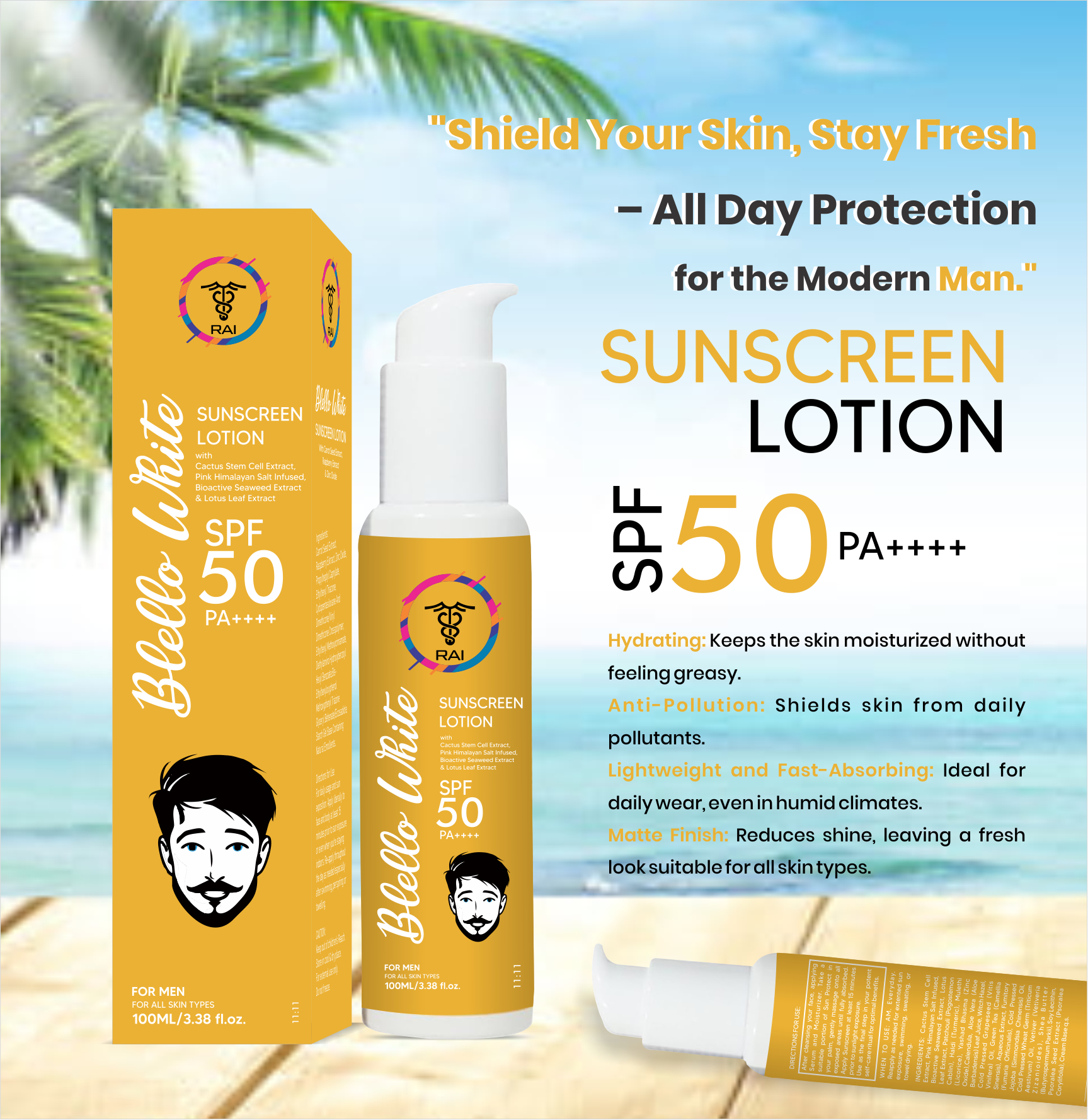
5. Sunscreen, always. Acne treatments like salicylic acid and benzoyl peroxide increase sun sensitivity, and sun exposure darkens acne marks further. Skipping sunscreen while treating acne actively works against the mark-fading step above.
How long before it actually works
Most active ingredients need 6–8 weeks of consistent use before you can fairly judge whether they're working. Stopping after a week because "nothing changed" is one of the most common reasons routines get abandoned right before they'd have shown results.
Is it really acne, or something else?
Not all breakouts are the same kind of acne, and some skin issues (like fungal acne or reactions to a product) get mistaken for regular acne and treated the wrong way, which can make them worse. A free AI skin scan reads breakout pattern, redness, and texture from a selfie, which is a faster starting point than guessing which active ingredient to reach for.
What to avoid entirely
- Popping or picking — this is the single biggest cause of the dark marks covered in our guide to dark spots.
- Switching products every few days out of impatience.
- Layering multiple strong actives (retinol + benzoyl peroxide + strong acids) without easing in.
- Harsh physical scrubs on inflamed skin — these worsen irritation rather than "cleaning out" pores.
Bottom line
A calmer, more consistent routine beats an aggressive, inconsistent one almost every time with acne. Start with one active ingredient, keep the rest of your routine gentle, protect with sunscreen, and give it two months before judging results. If you're not sure what's actually driving your breakouts, run the free scan and check your matches against products for acne-prone skin instead of adding another random product to the pile.
Not sure what your skin needs?
Run a free AI skin analysis and get product picks matched to your concerns.
Start free skin scan